
Serving Houston, Katy, Sugar Land and Throughout Texas

Plan for Their Future Without Risking Their Benefits
Parents of a child with a disability carry a question many other parents never face: who will care for my child when I no longer can? Special needs planning answers it with a plan for money, care and decision-making that lasts beyond your lifetime.
Why a Direct Inheritance Can Backfire
Programs such as SSI and Medicaid have strict asset limits. Leaving money directly to a loved one with a disability, even with the best intentions, can disqualify them from benefits until that money is spent.
Supplemental Needs Trusts
A supplemental needs trust holds money for your loved one without counting as their asset. The trustee you choose pays for things benefits don’t cover: therapies, education, equipment, travel, quality of life. A third-party trust is funded by family. A first-party trust can hold the person’s own assets, such as a settlement, but generally must repay Medicaid after their death.
When Your Child Turns 18
At 18, parents no longer have automatic legal authority over an adult child’s medical or financial decisions. Texas offers a range of options, from supported decision-making agreements and powers of attorney to guardianship. The right choice depends on how much support your child needs.
Other Tools
- Texas ABLE accounts for qualified disability expenses
- A letter of intent describing your loved one’s routines, care and preferences
- Coordinating life insurance and retirement beneficiary designations with the trust
Whether you’re planning ahead or facing a decision right now, we can help with special needs planning. Schedule a confidential consultation or call/text (281) 407-5622.
Get Answers to Your Questions
Not sure where to start? Send us your question and we’ll point you in the right direction.
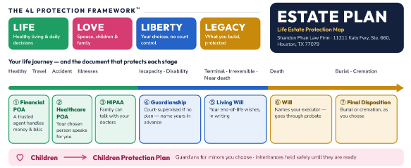
Free: The Life Estate Protection Map
Every document in a complete plan, and what happens without them, on one page.
Attend a Free Workshop
[DATE]
[Workshop topic, e.g. “Do I Really Need a Trust, or Is a Will Enough?”]
[Time] · [Location / Online] · [Language]
[Workshop topic, e.g. “Do I Really Need a Trust, or Is a Will Enough?”]
[Time] · [Location / Online] · [Language]